27 September 2026
ADA Portable Bathroom Rental: Easily Accessible Course Needs Made Simple
Presented by @kameronqjrv109
If you have ever before tried to place portable toilets for an event, a public gathering, or a momentary workplace, you currently know how fast a straightforward service can end up being a logistics puzzle. The unit itself is just component of the picture. Where it rests, exactly how a person reaches it, and whether that path really helps a wheelchair customer are often the details that obtain missed out on up until the last minute.
That is where accessible path needs matter.
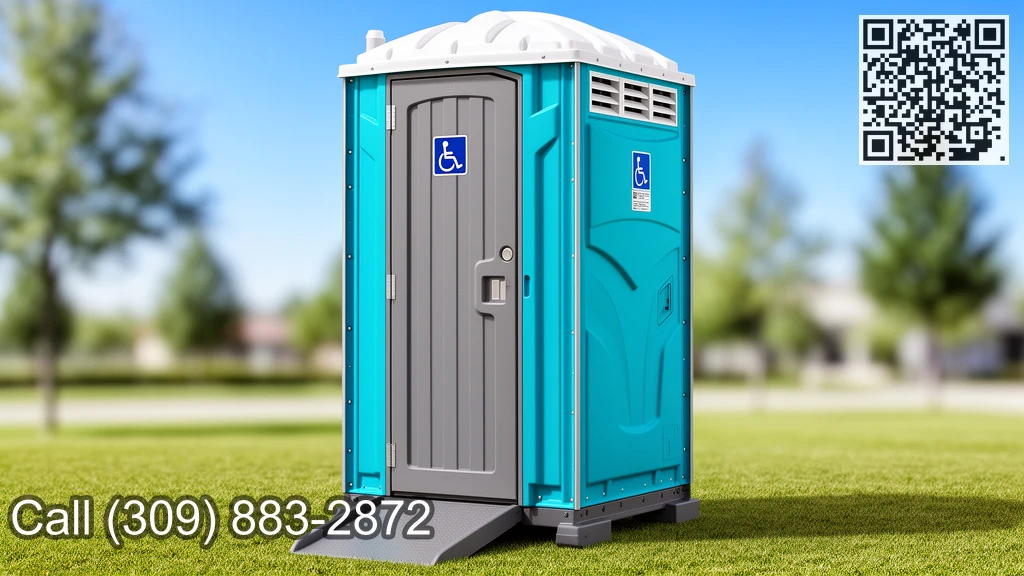
When individuals look for an ada portable commode rental, they usually focus on the device size, the door, or whether the supplier calls it wheelchair easily accessible. Those features issue, yet they are inadequate by themselves. An ada easily accessible mobile bathroom needs to be reachable. If a person arrives and the only path is soft mud, a visual without a certified ramp, deep gravel, or a sloped makeshift system, the toilet may exist but not meaningfully accessible.
The federal baseline for this in the United States comes from the 2010 ADA Specifications for Accessible Design, as interpreted by the Division of Justice and the Accessibility Board. For short-term configurations, consisting of portable systems organized with each other https://lanebqkc208.timeforchangecounselling.com/ada-compliant-portable-bathroom-rental-when-accessibility-recognition-issues at events, the access guidelines still apply. That shocks some organizers that think "short-term" suggests flexible. It does not, a minimum of not in the way lots of people hope.
What complies with is the useful variation of the rulebook, centered on the component that causes one of the most complication: the course to the restroom.
The route becomes part of the restroom
This is the initial state of mind change that makes the remainder simpler. An ada portable washroom is not just package you lease. Ease of access consists of the experience of getting from the bordering site to the entry, going into the device, and using it with the needed clearances and steering space.
In plain terms, if the device is technically certified inside but stranded at the end of an unattainable course, the configuration is still a problem.
The Gain access to Board's guidance makes 2 points particularly important right here. First, easily accessible portable commode units should have an available path and entryway. Second, if ramps or touchdowns are needed, those components additionally need to comply with ADA technological requirements. That is where numerous or else well-meaning configurations break down. A website team places a bigger ada certified mobile toilet at the edge of a grassy field, notifications a quality adjustment, and improvises with plywood or a high momentary ramp. The reasoning is sensible, yet the result can be unusable or unsafe.
I have seen organizers spend a large amount of time contrasting device models, then place the available one in the worst area since it was "off the beaten track" or much easier for the delivery truck. That normally suggests a longer path, more irregular ground, or a course that gets worse once foot website traffic and weather condition start working on it. The easily accessible device should be treated as a top priority placement, not an afterthought.
How many available units are required in a cluster
This question comes up virtually whenever mobile washrooms are bought in volume.
For clusters of mobile single-user bathroom devices, at the very least 5 percent of the units in each collection should be accessible. The Accessibility Board has actually made clear that this applies also at temporary occasions. So if toilets are grouped with each other, the available count is not optional even if the installation just lasts a day or a weekend.
That 5 percent regulation is one factor it assists to think in terms of clusters instead of the whole site in the abstract. If bathrooms are split in between various locations, each collection needs to be considered by itself. An usual error is placing all available systems in one main zone while other bathroom collections throughout the website have none. The guidance factors you back to the cluster itself.
For any individual preparing ada compliant mobile bathrooms, this is not simply a paperwork concern. It straight influences travel range and self-respect. People need to not have to leave the area they are making use of, cross a hard site, and look for the one easily accessible option hidden someplace else.
What "obtainable route" truly means on a temporary site
The phrase appears technical, yet its practical meaning is uncomplicated. The path should allow an individual with an impairment to get to the ada compliant obtainable mobile toilet and enter it. If a ramp or landing belongs to that route, it needs to fulfill ADA technological requirements. The very same holds true for the entrance.
The legislation and guidance are described, but on the ground, easily accessible path preparation often comes down to sincere monitoring. Ask on your own how the course behaves under genuine problems, not excellent ones.
A path that looks fine at 8 a.m. On a completely dry configuration day may end up being challenging by noon if the ground softens, cords cross the path, trash bins narrow the method, or the line to nearby concessions spills into the navigating location. Short-lived websites transform by the hour. Availability needs to survive those changes.
A few problems are entitled to unique focus since they are so usually overlooked:
- Soft or unsteady ground in between the main flow course and the accessible unit
- Improvised ramps or platforms that were never ever inspected versus ADA technical requirements
- Doors blocked by secure fencing, stanchions, or group overflow
- Grade changes that seem minor theoretically but develop an actual barrier at the system entrance
- Accessible systems positioned where solution vehicles can reach them, but individuals cannot
That last one is a lot more typical than people anticipate. Shipment access and user access are not the same thing. A vehicle can back into places that a mobility device customer can not securely reach.
The entry matters equally as much as the path
An ada compliant mobile bathroom can not stop being accessible at the entrance. The advice is clear that mobile available devices need an available entryway, and the unit needs to likewise please suitable toilet-room technological needs. That consists of turning room, component clearances, door navigating clearances, and appropriate grab-bar and water-closet clearance rules.
This issues due to the fact that some people make use of "ADA unit" as a generic tag for any larger portable restroom. Dimension alone does deficient certified. A spacious interior that does not have the required clearances is inadequate. A wide-looking door that does not offer the needed maneuvering area is insufficient either.
This is one factor experienced site organizers ask suppliers accurate inquiries instead of relying on wide sales language. Terms like ada handicap accessible portable restroom or ada-compliant portable restrooms get made use of in advertising, yet what you actually need is an unit that meets the relevant technological requirements and is positioned so those features can be used.
The useful lesson is basic: never ever separate the device from the placement strategy. They increase or fall together.
Why course preparation tends to break down
Most failings are not caused by poor intent. They come from pressed timelines, transforming site conditions, and a false feeling that "close sufficient" will certainly be acceptable for one brief event.
Here is what generally happens. The rental order is put, the count is verified, and the site map obtains revised a number of times. A food vendor needs more area. Fencing shifts. The generator location broadens. A phase truck takes over the flattest spot of ground. By the time the mobile toilets are provided, the accessible course that seemed obvious on the draft strategy no longer exists in a workable form.
I have seen occasion groups fix twenty functional problems in an early morning and still miss the one course a mobility device user would actually need. That is not due to the fact that availability is unknown. It is due to the fact that short-lived sites are active, and information that influence a smaller sized share of attendees are too often left for completion. The difficulty is, available course issues are hardest to deal with at the end. When systems are dropped, secure fencing is mounted, and traffic patterns are set, every modification gets more costly and much more awkward.
This is additionally where empathy needs to move from language to design. An indication that states "accessible" is not a courtesy if the course is obstructed, high, or unsteady. It comes to be a stress point.
The duty of signage and identification
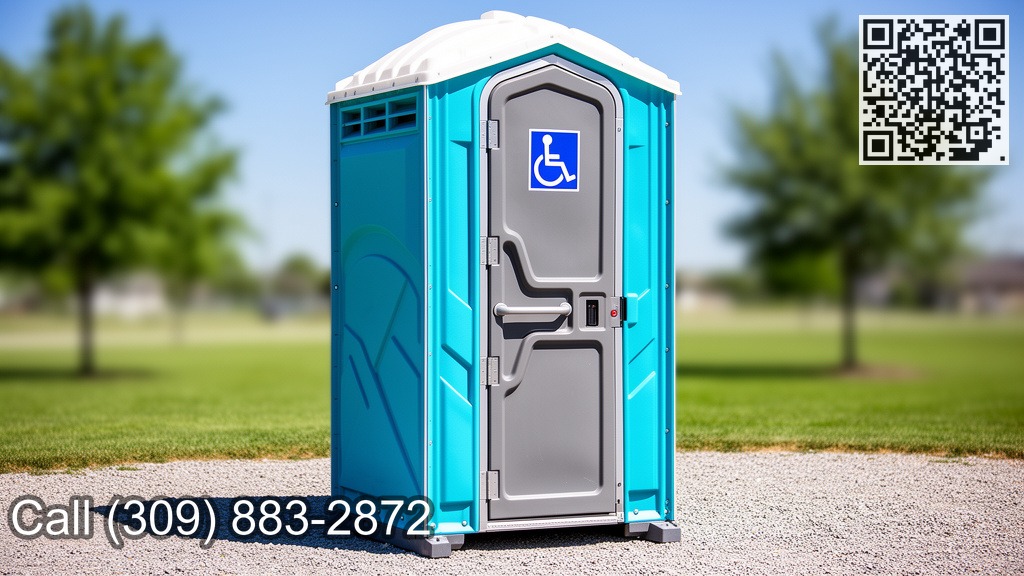
Accessible portable commode devices need to be identified with the International Symbol of Availability. That sounds standard, however it plays an essential role on active sites. Individuals require to be able to locate the ideal system swiftly and confidently.
Still, the icon ought to match fact. If the system is marked yet the course is bad, you produce confusion before you produce gain access to. Recognition functions best when it is paired with thoughtful placement, noticeable strategy paths, and enough room around the entrance for real use.
This is particularly crucial at events, metropolitan events, and other jampacked events where portable toilets are spread out throughout a large impact. People frequently make a decision where to go based upon line length, visibility, and distance. If the easily accessible unit is hidden behind solution tools or put at the back of a row without any clear strategy, the icon alone does not address the problem.
Temporary does not indicate exempt
One of the more persistent misunderstandings around is that short-lived setups obtain a pass. They do not.
The Gain access to Board has claimed that the 5 percent available device demand puts on mobile single-user commode clusters also at short-term occasions. For general public portable bathroom services, the available system requirement stays in place.
There is a slim historic distinction worth keeping in mind since it in some cases gets mentioned out of context. The older 1991 criteria consisted of an exemption from the portable-toilet ease of access scoping need for devices at building and construction sites used solely by building personnel. That is not the like a general exception for all portable bathrooms or all short-lived usages. It needs to not be extended past what it says.
This issues due to the fact that people in some cases listen to "building and construction site exception" and think mobile systems are extensively outside the typical policies. That is not a safe assumption for public-facing leasings, neighborhood occasions, fairs, parks, races, or similar momentary installations.
What to ask before the vehicle arrives
The smartest time to fix available course concerns is before shipment, when the site is still flexible. When you know how many units you need and where the collections will certainly be, the following action is much less about lawful jargon and even more regarding regimented site planning.
A short pre-delivery evaluation usually protects against the most usual troubles:
- Confirm which units in each collection are the available ones
- Walk the real path to each easily accessible system, not simply the course revealed on a plan
- Check whether ramps or landings are required and whether they will comply
- Make sure the entry location will certainly stay clear after fencing, queuing, and vendor setup
- Verify the easily accessible unit will be understood the needed symbol
That walk-through matters more than people assume. Illustrations squash troubles. A course that appears straight on paper might go across rough ground, punctured a solution lane, or count on an opening that will later be blocked. A ten-minute walk can conserve a really public mistake.
A simple instance from the field
Imagine a weekend break arts fair with three bathroom collections: one near the entrance, one next to the food vendors, and one at the much lawn where performances take place. The coordinator publications sufficient systems generally, consisting of ada certified mobile bathrooms, and presumes the demand is covered.
But if the accessible units are all positioned just at the entrance cluster, the configuration may still stop working the standard reasoning of accessibility throughout the website. A person spending quality time at the performance grass should not need to travel back throughout the fair due to the fact that the only ada portable toilet was concentrated somewhere else. The 5 percent rule puts on each cluster, which pushes the organizer towards an extra equitable layout.
Now include route problems. The accessible system at the yard cluster is positioned on yard that appears company during setup. Overnight rain changes that. By Saturday mid-day, the path is soft and rutted. The system might still be the appropriate model, marked with the availability symbol, and practically roomy within, yet the route has come to be the barrier.
That is the component many people keep in mind after the event. Not the spec sheet, however the lived truth of getting there.
The more comprehensive conformity environment is tightening up, not loosening
Even if your instant concern is just mobile restrooms, it helps to recognize the larger atmosphere. ADA conformity is not fading into the history. Enforcement and conformity expectations continue to be energetic across industries, consisting of locations beyond physical spaces.
A current example is the Division of Justice advice expanding the target date for certain state and city government web and mobile availability requirements to April 26, 2027 for bigger entities. That is not regarding mobile commodes directly, however it shows the broader pattern plainly. Availability is being dealt with as a continuous functional responsibility, not a box to check once.
For event coordinators, communities, place operators, and rental planners, the message is practical. Short-term framework should be prepared with the same seriousness as permanent facilities when the general public demands to make use of it.
Where profundity comes in
The ADA requirements offer the regulating structure, but real sites still require judgment. Not every path concern is noticeable from a range. Not every cluster has perfect surface close by. Not every supplier or location team talks the same compliance language.
Good judgment begins with a couple of habits.
First, deal with the available device place as a first choice, not the leftover area. Second, test the path under likely problems, not just the best-case scenario. Third, keep in mind that the entrance and indoor clearances matter as long as the course. Fourth, do not confuse a larger system with an ada-compliant portable toilet unless the technological demands are actually fulfilled. Fifth, beware with exemptions. A slim construction-site distinction does not get rid of general commitments for public usage mobile units.
That might seem stringent, but it typically results in much better occasions and less final shuffles. Availability preparation tends to boost circulation, decrease bottlenecks, and make the website easier for every person to navigate.
Making "easy" suggest usable
People usually want a quick solution to ada mobile bathroom requirements, preferably something that suits a sentence. The simplest accurate variation is this: supply the required variety of accessible systems in each collection, ensure each ada mobile restroom is recognized appropriately, and make sure there is an easily accessible course and entryway that follow ADA demands, including any type of ramps or touchdowns that are needed. Then make sure the device itself fulfills the relevant technical needs for use inside.
Simple does not suggest laid-back. It implies clear sufficient to act on.
If you are preparing an ada portable commode service, the best inquiry is not just "Do I have an ADA system?" It is "Can a person actually reach it, enter it, and use it with dignity when the site is completely operating?" That concern catches issues early. It additionally alters just how groups make positioning decisions.
An ada certified mobile restroom should not feel like an unique accommodation concealed off to the side. It must seem like a normal, expected component of the website, because that is exactly what it is. When the course is solid, the entryway works, and the collection is intended appropriately, the whole arrangement becomes quieter, smoother, and more humane.
And that is typically the mark of good availability preparation. Not that individuals notice it as a function, yet that no one is shut out by a detail that needs to have been dealt with from the start.
 Ask ChatGPT
 Ask Grok
 Ask Perplexity
 Ask Claude
 Ask Google AI
 Ask You